FHA vs. Conventional Loans: Which Is Right for You?
FHA and conventional are the two most common home loans. Pick the wrong one and you can pay more every month for years. Here is the simple way to tell them apart.
FHA loans in plain words
- Backed by the government. The Federal Housing Administration insures the loan, so lenders can take on buyers with lower scores.
- Easier credit rules. Often the best fit if your credit is still building.
- Low upfront cash. FHA is known for a small minimum down payment.
- Mortgage insurance. You pay an upfront premium plus a yearly premium. Put down less than 10% and the yearly premium lasts the whole loan. Put down 10% or more and it runs 11 years. Either way, the usual way out is to refinance into a conventional loan. HUD sets these terms in Mortgagee Letter 2023-05.
Conventional loans in plain words
- Not backed by the government. Most follow Fannie Mae and Freddie Mac rules.
- Rewards strong credit. Higher scores usually get better pricing.
- Mortgage insurance you can drop. You can ask in writing to cancel private mortgage insurance (PMI) when your balance reaches 80% of the home's original value — the lower of what you paid or what it appraised for at closing, not what it is worth today. You have to be current, have paid on time, and have no second loan on the home. Federal law, 12 U.S.C. 4902, also ends PMI on its own at 78% based on your starting payment schedule, so paying extra does not make that come sooner, and it must stop by the halfway point of the loan — year 15 on a 30-year loan. None of this applies to FHA.
- Low down payment options exist for many buyers too. Ask about them.
Quick way to choose
| If this is you… | Look first at… |
|---|---|
| Credit still building | FHA |
| Strong credit | Conventional |
| Want mortgage insurance gone someday | Conventional |
| Had a past credit problem | FHA (ask about waiting periods) |
Don't guess. Compare.
Ask your loan officer for a Loan Estimate for both loans on the same home. Look at the monthly payment, the cash to close and the mortgage insurance. Then check what you will pay after five years, not just month one.
If you served in the military, check VA loans first. They have no private mortgage insurance.
Quick answers
Can I remove FHA mortgage insurance?
With a small down payment, FHA's yearly premium usually lasts for the life of the loan. The common way out is to refinance into a conventional loan later.
Which loan is easier with lower credit?
FHA loans usually allow lower credit scores than most conventional loans, which often look for 620 or higher. Raise your score first if you can.
Can the seller pay my closing costs?
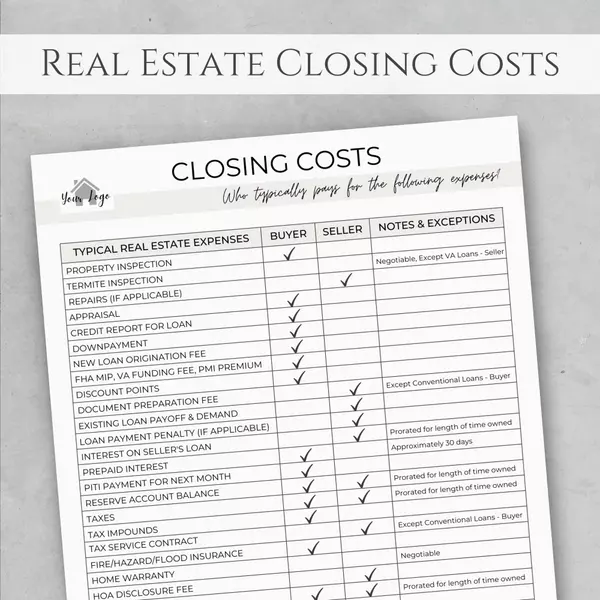
Yes. Every loan program caps how much the seller can pay toward your costs, and the cap changes with your loan type and your down payment. Ask your loan officer for the exact limit before you write the offer. See what closing costs include and down payment help.
Compare all loan programs · Get pre-approved · Mortgage calculator
Where you buy changes this
The loan is federal. What the appraiser and the lender run into is local.
- Florida — insurability drives the deal as much as the appraisal.
- Arizona — a well or septic system adds state filing steps at transfer.
- Colorado — wildfire risk can make coverage hard to get, and the contract lets you walk.
- California — supplemental tax bills arrive after closing and escrow does not collect them.
- Texas — the deal funds after signing, not at signing.
We keep a page for every state we work in, with a cost table, a step-by-step timeline and the rules that actually trip people up. See all AXEN locations.
Sources and further reading
Updated September 18, 2026. We check these sources each time we update this guide. See our editorial policy.
Recent Posts