What Is Earnest Money? How Much, Where It Goes and How to Protect It
When a seller accepts your offer, you usually put down a deposit to show you are serious. That deposit is earnest money. Handle it right and it becomes part of your down payment. Handle it wrong and you can lose it.
How much is earnest money?
Freddie Mac puts it at about 1% to 5% of the price. The real number depends on your market and how strong you want your offer to look. In a hot market, a bigger deposit can make your offer stand out. Your agent will tell you what is normal where you are buying.
Who holds it?
You do not hand it to the seller. It goes to a neutral third party, usually the title or escrow company, an attorney or a broker's trust account. It sits there until closing.
What happens at closing?
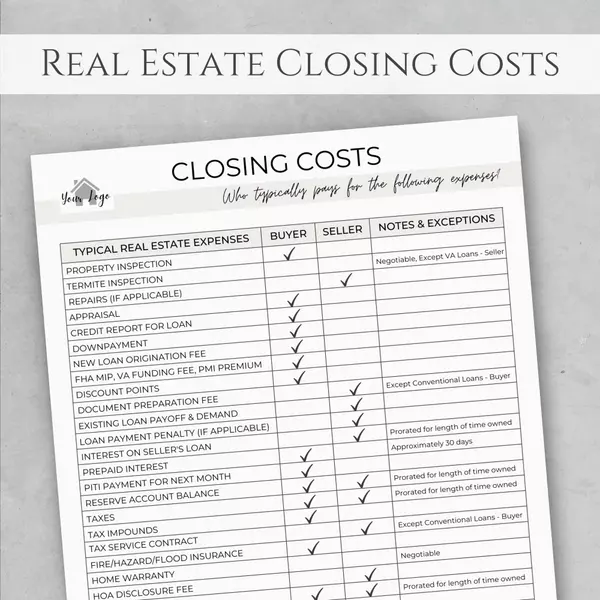
Your earnest money is credited to you. It counts toward your down payment and closing costs, so it is not an extra fee.
When do you get it back?
Most contracts protect you with contingencies. If you cancel for a reason the contract allows, and you do it on time, you usually get your deposit back. Common ones:
- Inspection: you can back out if the inspection finds problems. What inspectors check.
- Financing: you can back out if your loan falls through.
- Appraisal: you can renegotiate or back out if the home appraises low.
When can you lose it?
- You back out for a reason the contract does not allow.
- You miss a deadline, like the end of your inspection period.
- You waive a contingency and then can't close.
Three rules to protect it
- Know every deadline. Put them in your calendar the day your offer is accepted.
- Deliver it on time. Late earnest money can put your contract at risk.
- Never trust wiring instructions from an email alone. Call the title company at a number you know is real before you send money. Scammers fake these emails.
Quick answers
Is earnest money the same as a down payment?
No. Earnest money is a deposit made when your offer is accepted. At closing it is credited toward your down payment and closing costs.
Can the seller keep my earnest money?
Only if you back out for a reason the contract does not allow or miss a deadline. Contingencies protect you. See the inspection checklist and buyer agreements.
When is earnest money due?
Usually within a few days of the accepted offer, and your contract sets the exact deadline. Miss it and the seller may be able to cancel, so put the date in your calendar the day you go under contract. See the buying timeline.
Get pre-approved · Understand closing costs · Talk to a local agent
Where you buy changes this
Who holds your deposit, and what it takes to get it back, is a state question.
- North Carolina — earnest money comes back during due diligence, but the separate due diligence fee does not.
- Texas — the option fee buys the right to walk away and is never refunded.
- Georgia — a broker holding it has to keep it in a registered trust account.
- Nevada — you can cancel within five days of getting the HOA resale package.
- New Jersey — attorney review lets either lawyer cancel in the first three business days.
We keep a page for every state we work in, with a cost table, a step-by-step timeline and the rules that actually trip people up. See all AXEN locations.
Sources and further reading
Updated September 18, 2026. We check these sources each time we update this guide. See our editorial policy.
Recent Posts